When we started to get into gardening and planting fruit trees, we knew we would have to look into preservation techniques for any of the excess we couldn’t eat right away.
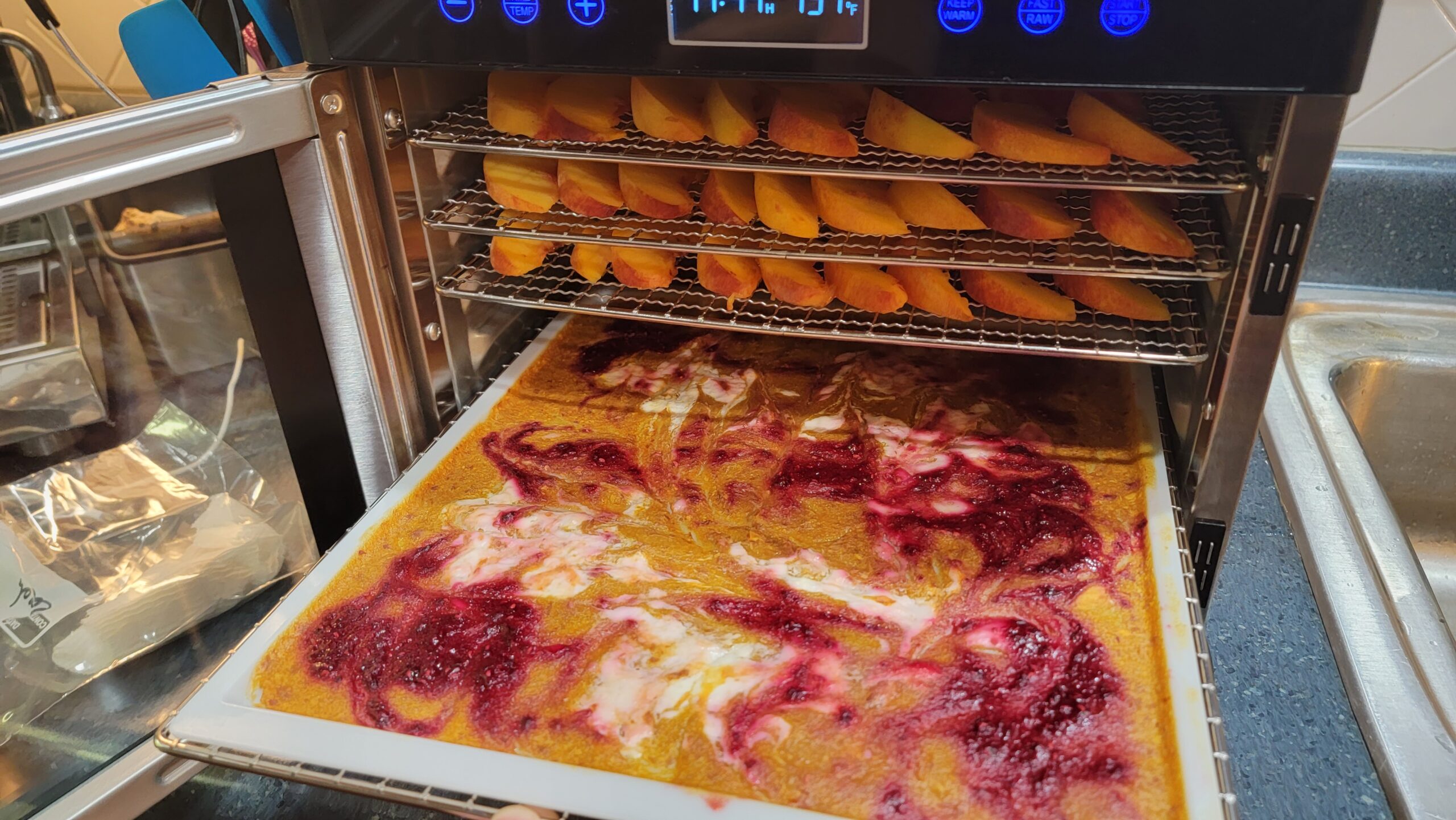
We had already been jamming fruits and preserving via water bath canning for years. We also had gotten into fermentation and pressure canning recently, too. But we wanted to try more techniques for preservation, so we decided to purchase a dehydrator to test out a different process altogether.
Dehydrators, to us at least, are simply fascinating. They work by running at low temperatures (sub-boiling) and low humidity to drive off excess water from fruits, vegetables, meats, and more. In the process of reducing the water content, these items become shelf-stable and can be stored longer-term at room temperature.
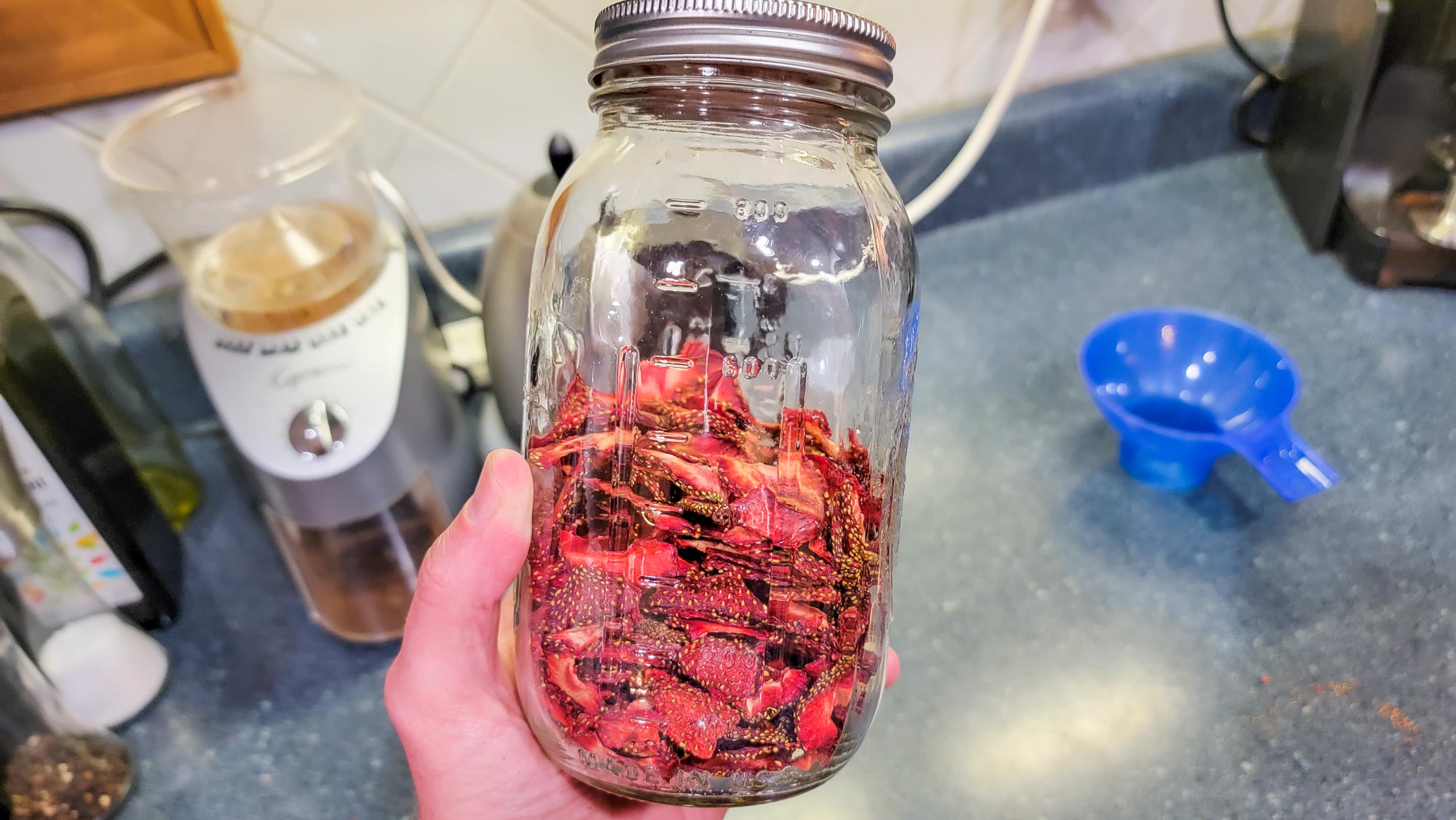
Anyone who has tried a dried fig, strawberry, or even vegetables knows that these are quite delicious, and we were pretty excited to see what foods can be dehydrated.
But we had another question to go along with it- is a dehydrator a cost-effective purchase? So we decided to share the economics of buying a dehydrator in this one!